UNDERSTANDING YOUR SYMPTOMS
What this may feel like.
Low back pain can affect getting out of a chair, sitting at a desk, lifting groceries, exercising, or sleeping comfortably. It is a symptom rather than a single diagnosis, and the reasons behind it vary widely.
- Discomfort with bending, prolonged sitting, or lifting
- Stiffness when changing positions or returning to activity
- Symptoms that make familiar routines feel less comfortable
Pain and movement changes can have more than one explanation. A specific diagnosis requires an individual clinical assessment.
THE EVALUATION
How a physical therapist approaches it.
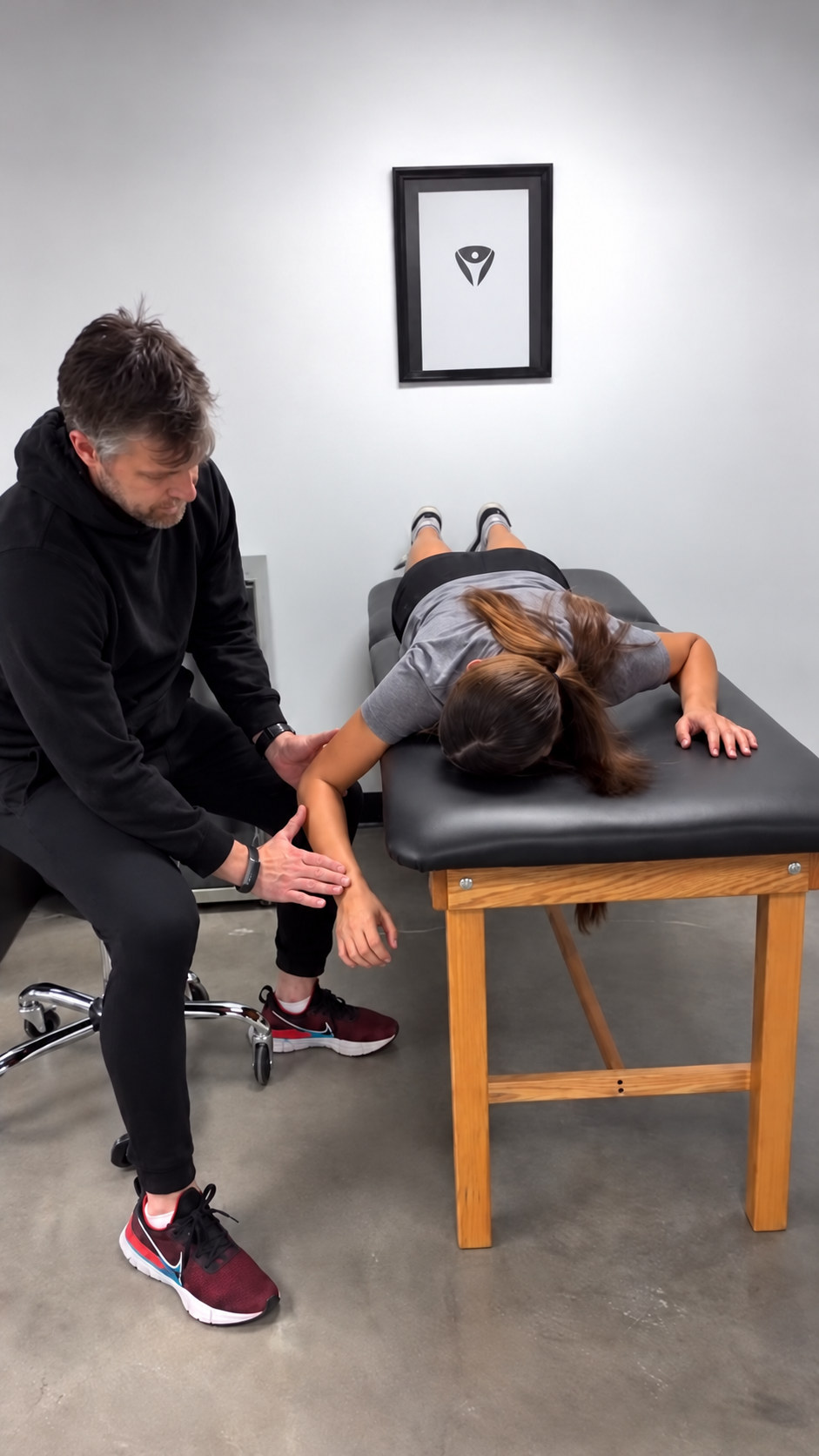
A physical therapist may ask how and when your symptoms began, which activities change them, whether pain travels into a leg, and how symptoms affect your daily life. Movement, strength, mobility, and functional tasks can help inform an individualized plan.
You can learn more about Kinesio's approach on the Physical Therapy services page, including information about available treatment techniques.
INDIVIDUALIZED CARE
Moving toward your goals.
Depending on the assessment, care may focus on education, graded movement, building confidence with everyday activities, and progressing strength or mobility. Hands-on techniques may be discussed when appropriate, but no single modality is right for every presentation.
At Kinesio, treatment decisions are based on clinical evaluation rather than a symptom checklist. Explore the listed treatment modalities to see what may be discussed during a visit.
COMMON QUESTIONS
Questions worth asking.
Does back pain always mean something is seriously wrong?
No. Back pain has many potential causes, and the level of discomfort does not by itself establish a diagnosis. Persistent, worsening, or concerning symptoms should be assessed.
Can I keep exercising with low back pain?
The answer depends on your symptoms, health history, and activity. A clinician can help you decide what modifications or next steps are appropriate.