UNDERSTANDING YOUR SYMPTOMS
What this may feel like.
Hip discomfort can be felt in the groin, outer hip, buttock, or nearby areas. It may be noticed during walking, climbing stairs, sitting, or exercise, and pain location alone cannot identify the cause.
- Difficulty with stairs, walking, or getting into a car
- Discomfort when moving the hip through certain ranges
- Reduced tolerance for workouts or prolonged positions
Pain and movement changes can have more than one explanation. A specific diagnosis requires an individual clinical assessment.
THE EVALUATION
How a physical therapist approaches it.
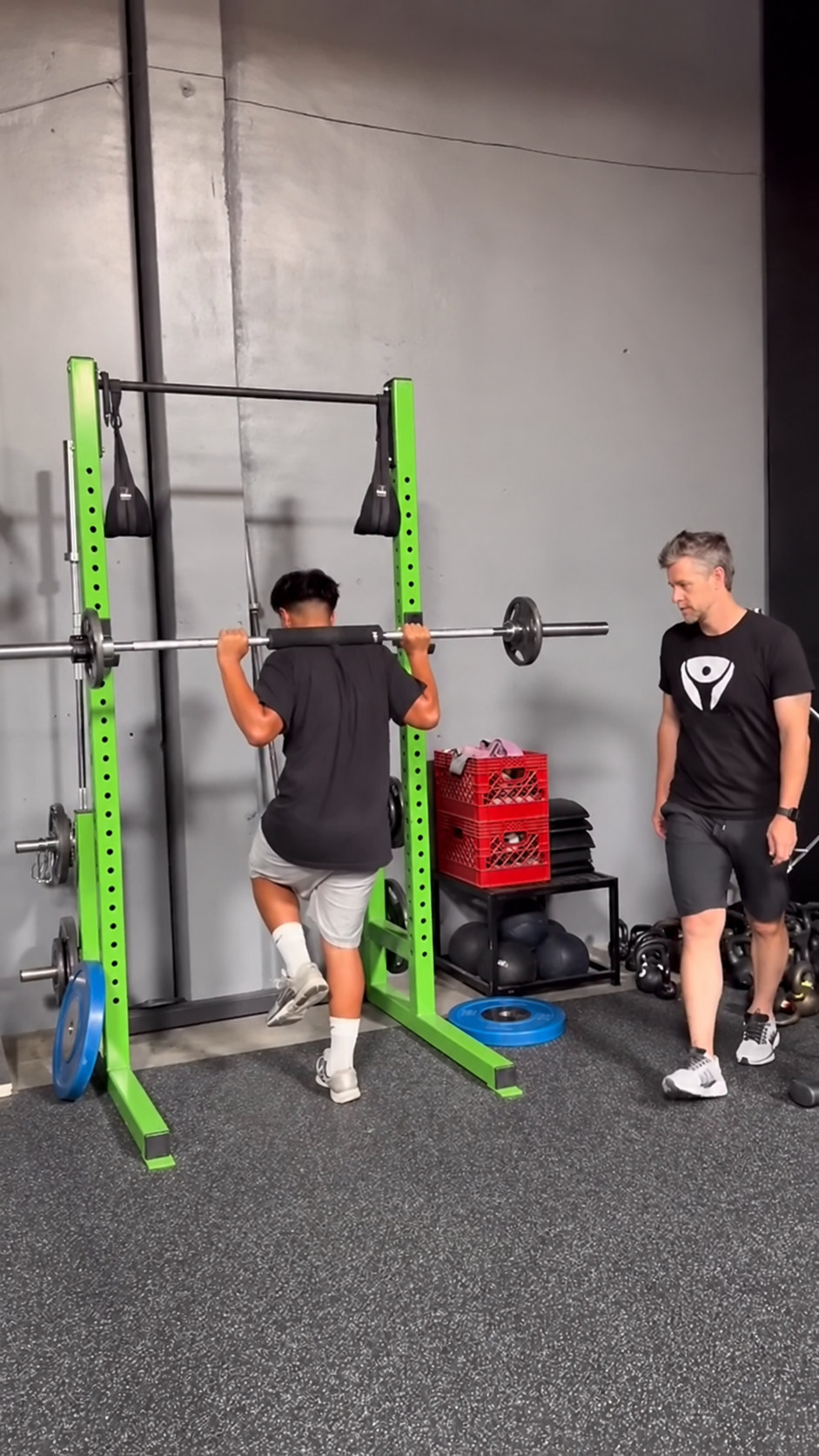
An evaluation may look at hip movement and strength, walking or squatting tasks, activity levels, and whether the back or other nearby areas are involved. Your history helps determine when a medical referral or additional evaluation is necessary.
You can learn more about Kinesio's approach on the Physical Therapy services page, including information about available treatment techniques.
INDIVIDUALIZED CARE
Moving toward your goals.
When appropriate, individualized care may focus on mobility, progressively strengthening the surrounding muscles, and finding workable ways to stay active as function improves.
At Kinesio, treatment decisions are based on clinical evaluation rather than a symptom checklist. Explore the listed treatment modalities to see what may be discussed during a visit.
COMMON QUESTIONS
Questions worth asking.
Can low back problems feel like hip pain?
Yes, symptoms can overlap. A clinician can evaluate potential contributing structures and recommend next steps.
Is stretching always the answer?
Not necessarily. Some people benefit more from strengthening, activity changes, or medical evaluation depending on the cause.